 Merry Japan Tours
BLOG
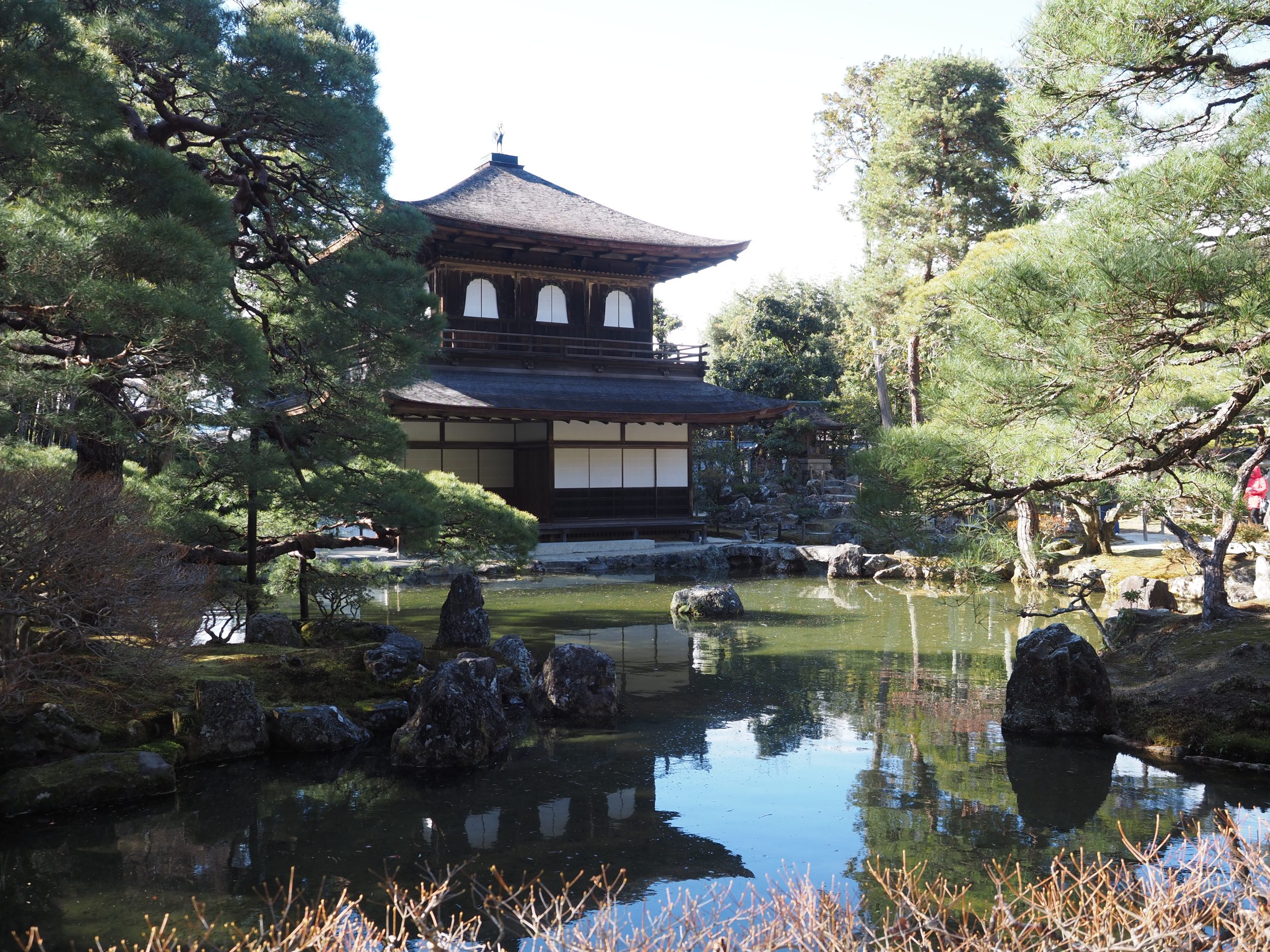
No silver bullet to the Silver Pavilion, but understanding “Wabi-Sabi” may be a clue to it
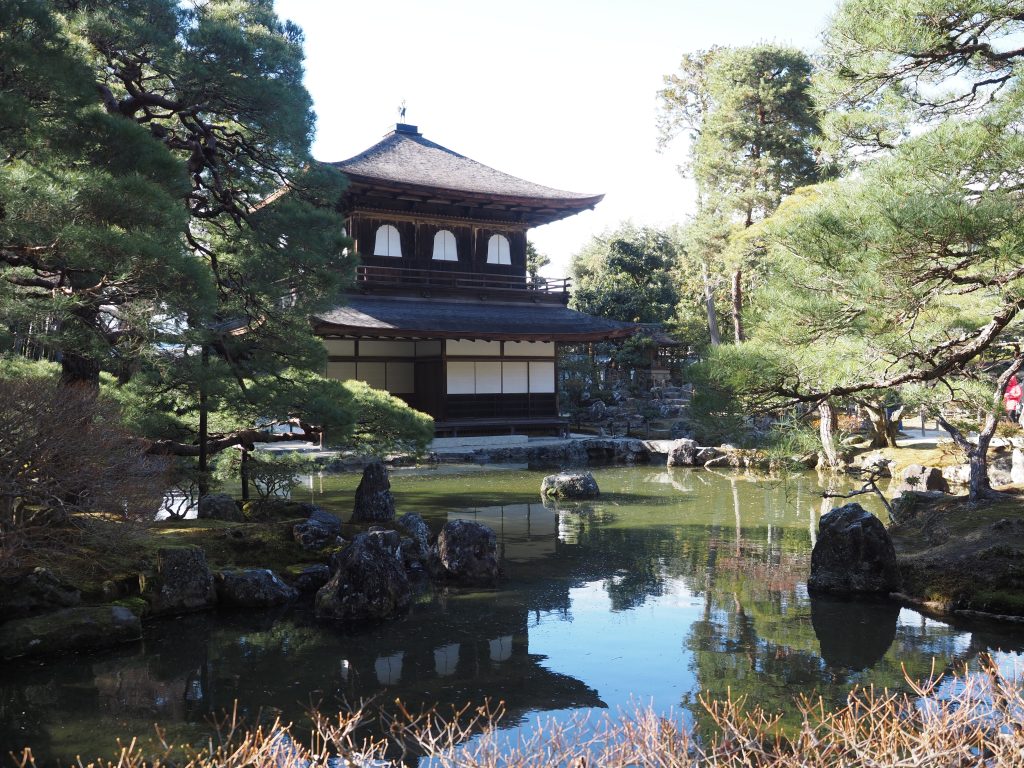
In spite of its name being the Silver Pavilion, this temple applies no silver inside or outside. Hearing this fact might hold you back from visiting this subdued, but elegant temple but actually, this temple was designated as one of the 17 UNESCO World Cultural Heritage sites in Kyoto in 1994. Be that as it may, it’s still less popular than Kinkaku-ji Golden Pavilion, which is literally plastered with pure gold leaf.
The Silver Pavilion may provoke questions about why on earth no silver at all, though being dubbed such a name.
Unfortunately, it remains a mystery even today when lots of studies have been conducted to reveal mysteries surrounding this temple. However, there are several theories behind the absence of silver leaf on this temple.
One theory holds that during the rule of the owner of this pavilion, Ashikaga Yoshimasa, no adequate funds were contributed by the shogunate government: the Ashikaga shogunate at that time was suffering severely from lack of money.
To look on the bright side, another well-established theory holds that Yoshimasa’s idea was to realize elegant simplicity or rusticity called “Wabi-Sabi” in his villa, so there was no need to put on airs by decorating with silver leaf. And, I believe this theory is a historical fact.
Wabi refers to a mentality where one feels something frugal as quaint, while Sabi refers to the beauty that can be expressed through the passing of time. Wabi-Sabi can be found not only in temples but also in our everyday lives—think of frugal meals we’ve had at quaint restaurants; think of ratty turtlenecks and jeans that have changed color with the passing of time; think of your dust-covered LP jackets at the corner of your room—all of which may still pique your interest because you feel affection for them. I personally believe the reason we feel affection has a lot to do with “Wabi-Sabi.”
Contents
Mysterious mounds
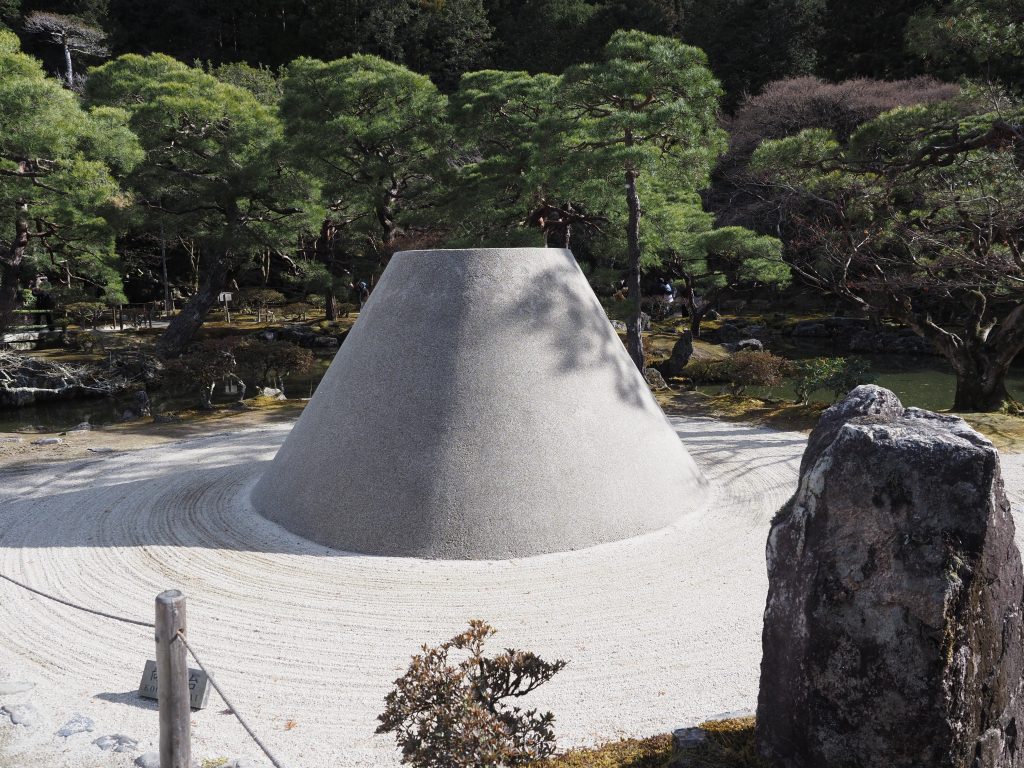
On entering this venerable temple, which took 8 years to complete, you will see a mound, which is called “Kougetsudai,” literally meaning “a moon-facing platform” and a raked mound called “Ginsyadan,” literally meaning “silver sea of sand,” both of which may be related to the moon, but no one is sure why they were made.
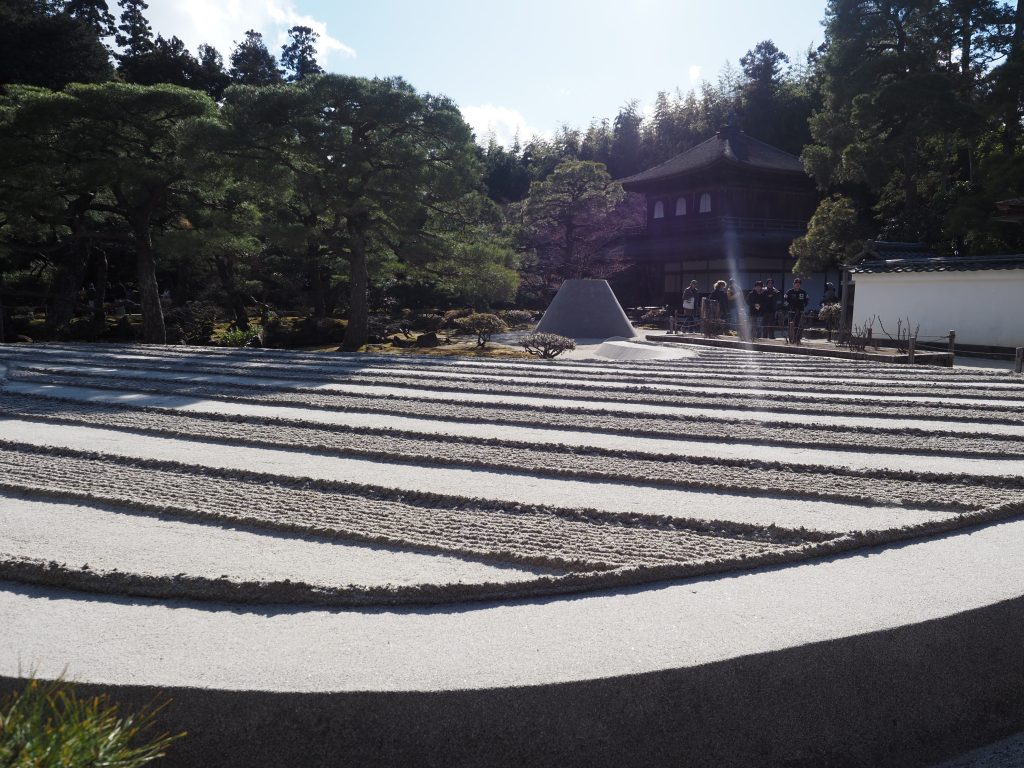
Here are two theories behind the creation of these two types of mounds. One theory holds that these mounds were made to appreciate the moon over Mt.Tsukimatsu. Another theory holds that these play a role in reflecting the moonlight to shine on the main hall. In addition, the white sand used to make these mounds is called “Shirakawa sand,” which is something you can get only in Kyoto. This white sand has a high ratio of reflection, so these mounds might have worked as indirect lighting.
The Kogetsudai mound measures 180cm in height and is maintained every day. The Ginshadan mound measures 66cm in height and reflects the moonlight beautifully.
The oldest samurai-residence style
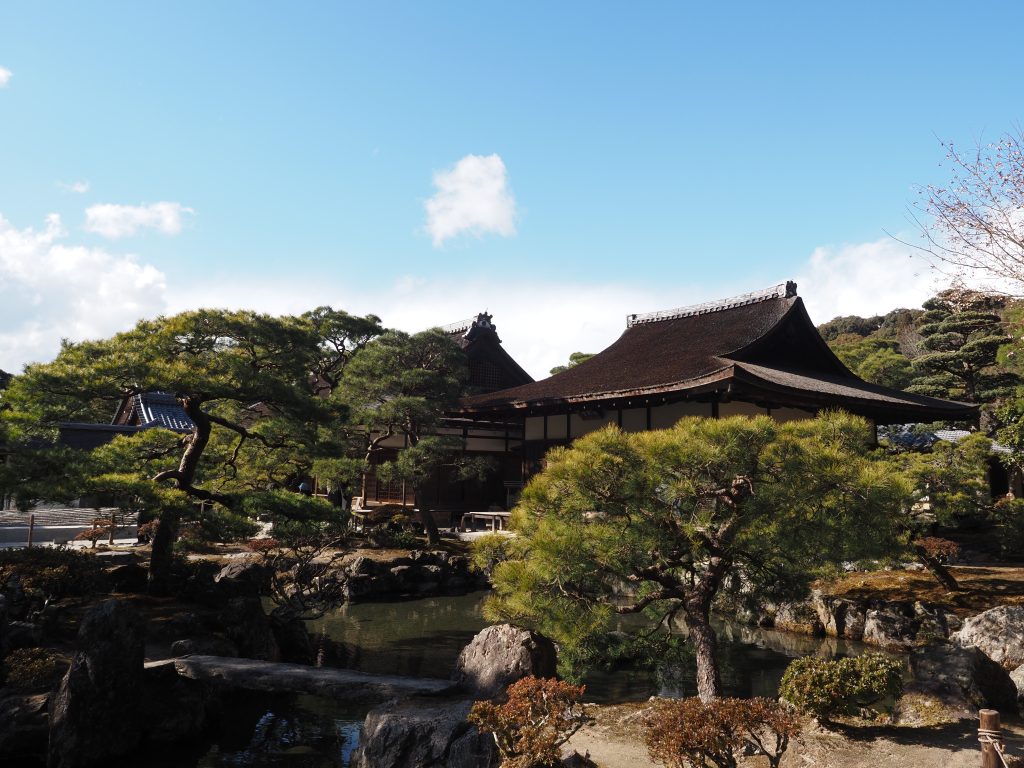
When you visit this temple, you might pass by the main hall, called “Tougudo,” but it’s a must-see place because this hall’s architectural style is the oldest samurai-residence style in Japan, called “Shoinzukuri.” The main purpose for constructing this hall was to enshrine the Buddhist memorial tablets of his ancestors.
In samurai-residence style, the floors are made with tatami mats, rooms are partitioned with Shoji sliding doors, and an elevated alcove is attached to a guest room—all of which are considered prototypes of Japanese-style rooms and have been handed down to this day.
The moss-covered garden that will heal your heart and soul
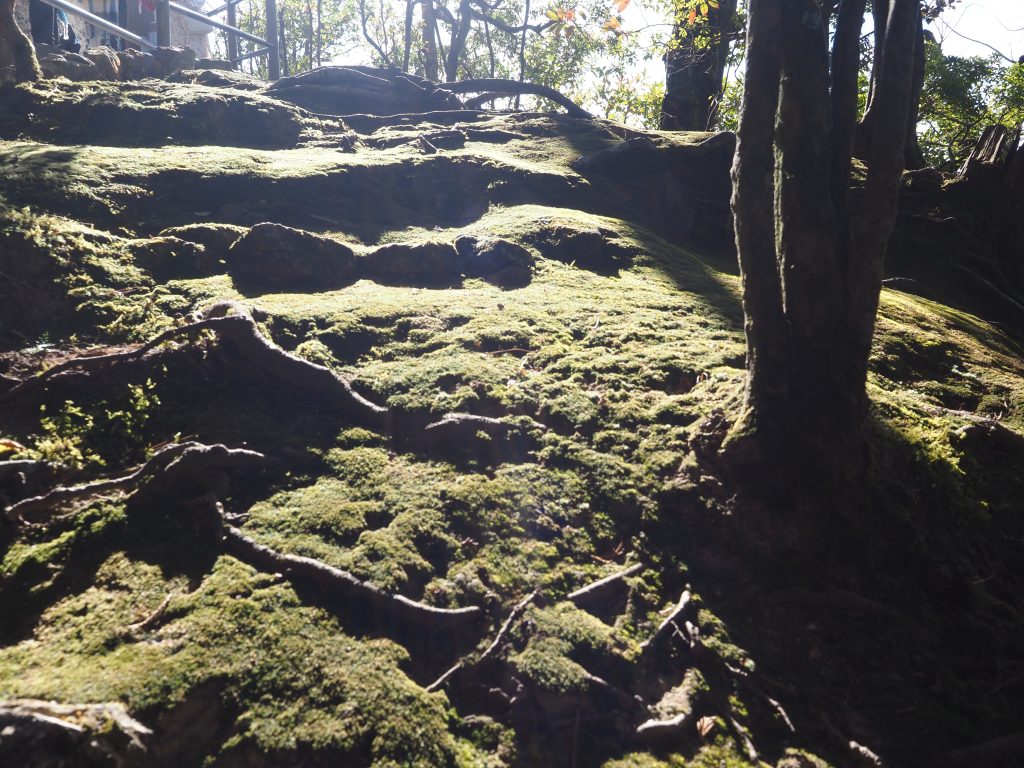
As you walk around the temple precinct, you will be healed by its moss-covered garden. This garden was modeled after Saihoji Temple, also known as “the moss temple,” so you can see moss everywhere in the precinct.
The garden was constructed under the supervision of Zenami, but Yoshimasa himself cooperated with the creation of this temple, suggesting that Yoshimasa was a cultured shogun. Actually, he had no interest in political affairs. Instead, he handed over his shogunate position to his son and dedicated himself to calligraphy and the tea ceremony, leaving political judgments to his son.

In the precinct, there is a bit of a steep slope, and if you walk up the slope, it commands a beautiful view of this temple and a cityscape. You will understand this temple is located in a forest by viewing this temple from a hilltop. I assure you that you will be refreshed physically and mentally by walking through this huge garden.
A sacred spot to get energy
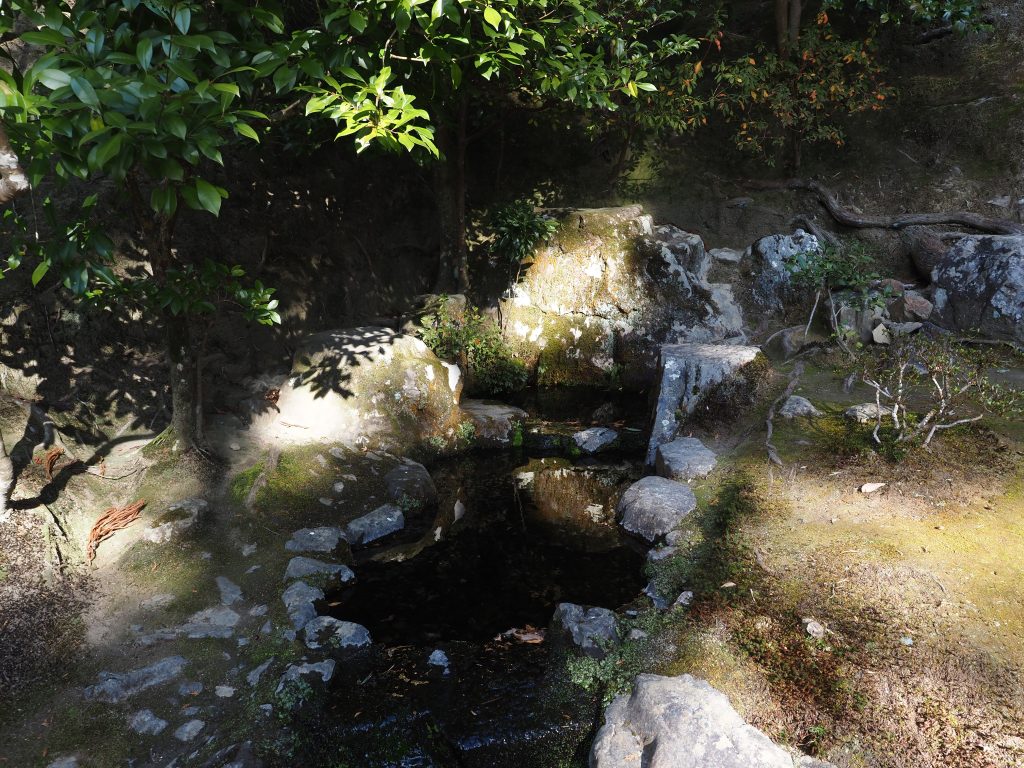
Recently, younger Japanese generations tend to go to sacred spots to get energy, and a fountain found in the precinct is one of them. This place has been used to draw water with which to make Matcha, powdered green tea at a tea ceremony, and Yoshimasa was reportedly fond of a tea made with water from this well.
The cultured shogun, Yoshimasa had a bad wife, Hino Tomiko, and he was afraid of his wife. This is nothing short of my guess, but the reason why the henpecked husband, Yoshimasa built the Silver Pavilion and dedicated himself to Japanese culture could be that he wanted to stay away from his devilish wife.