 Merry Japan Tours
BLOG
Let’s Explore Nishiki Food Market!
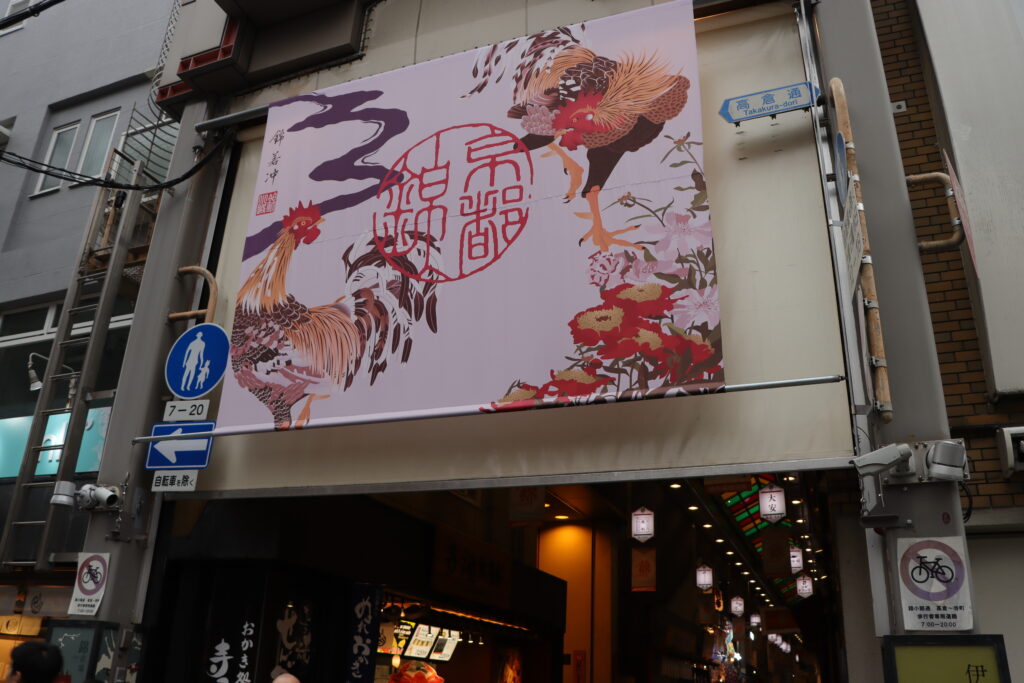
Having the moniker, “the kitchen of Kyoto,” Nishiki Food Market has a history of 400 years. Measuring as long as 390 meters from east to west, this shopping arcade is also narrow, ranging from 3.3 meters to 5 meters in width. Around 130 shops are lined on both sides of the arcade, which may make you feel like you have come to a place totally out of this world. This piece digs deep into Nishiki Food Market and its protective Shinto Shrine, Nishiki Tenmangu Shrine. I assure you that you will get to know the essence of this district and where you should visit by reading this article.
Contents
- 1 A Shinto Shrine dedicated to a god of study
- 2 A messenger from heaven, who will heal your body part.
- 3 The history of Nishiki Food Market
- 4 A shop specializing in offering meat from Kyoto
- 5 A vibrant, old-fashioned area that may make you feel as if you were back in the 1980s.
- 6 Honey is a real treat for you.
- 7 A shop specializing in selling cooked fish
- 8 Enjoy the traditional home cooking of Kyoto
- 9 A shop specializing in “Tofu”
A Shinto Shrine dedicated to a god of study
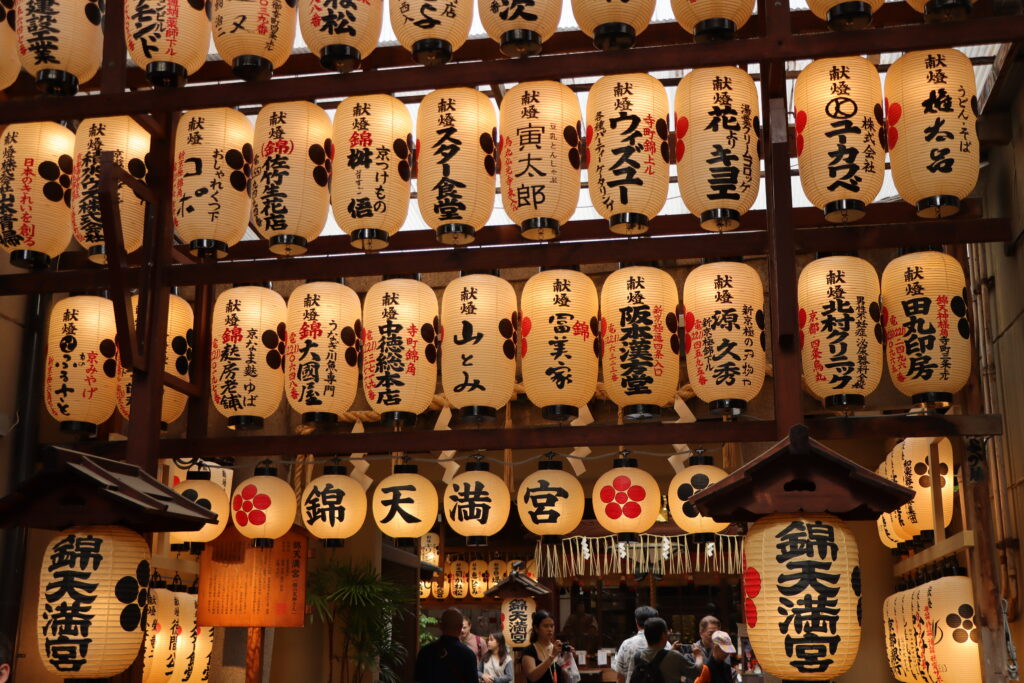
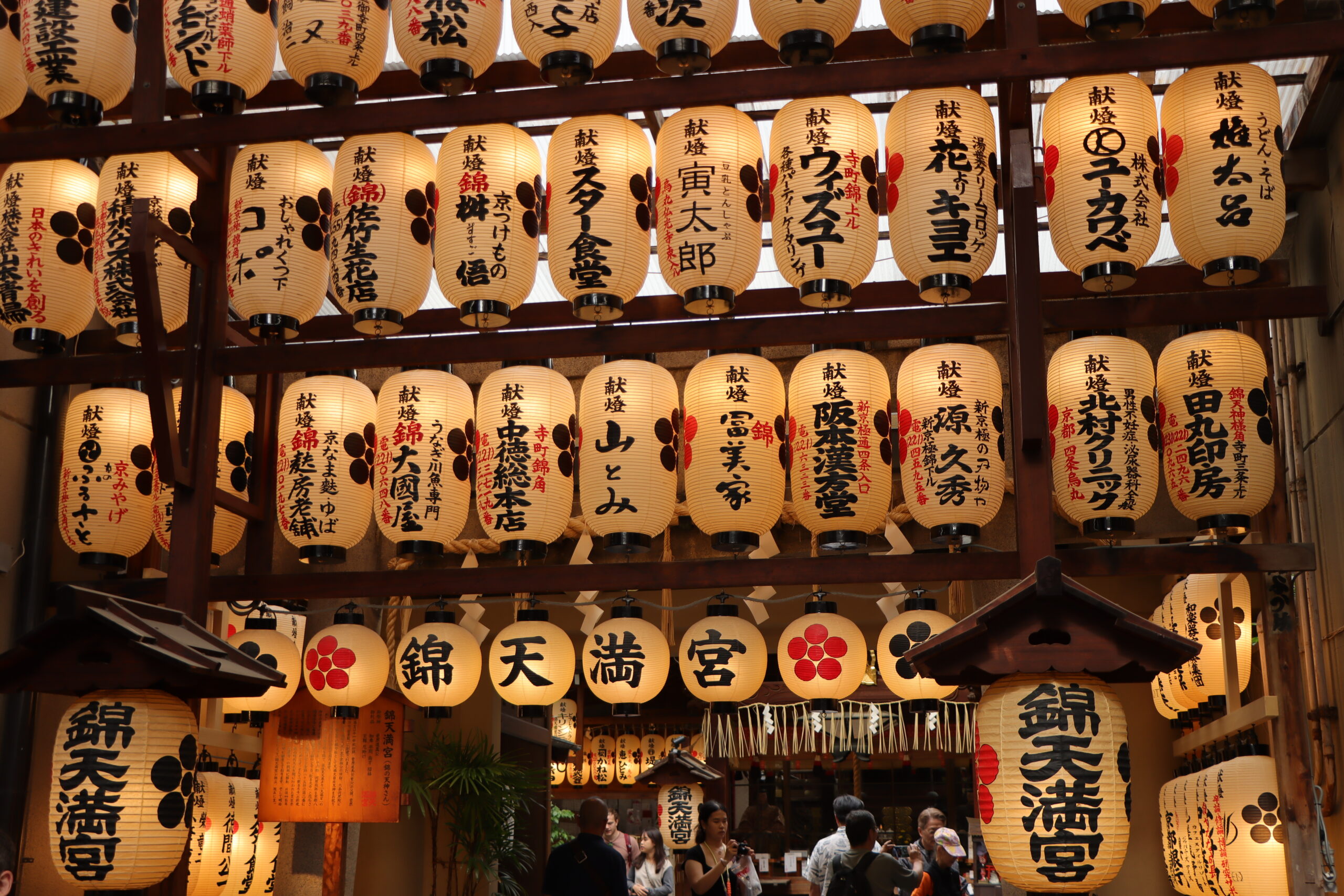
Enshrining the god of learning, Sugawara no Michizane, Nishiki Tenmangu Shrine is a popular destination for exam candidates because it is said to bring them benefits in terms of wisdom and academics. Facing Nishiki Food Market, this shrine is considered to protect this market and is revered by local people who flock to this district.
Flowers of each season come into bloom every year in the precinct of this shrine. In addition, high-quality water comes out from the ground, and you can drink the water or put it in a bottle and take it back home.
A messenger from heaven, who will heal your body part.
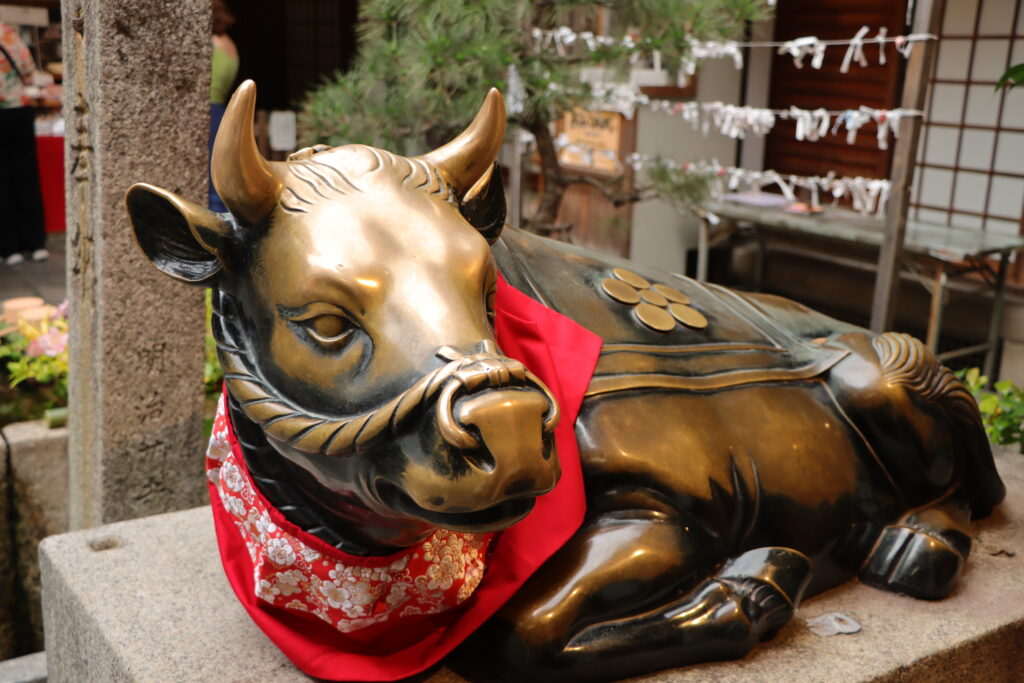
Upon entering this venerable shrine, you will see a bronze statue of a cow, which is considered either a messenger from heaven or a symbol of agriculture. Some of his body parts are glittering, especially his head, because it is said that if you pet his body part corresponding to the area of your body you wish to get better, you will be blessed with that part getting better. So, the reason why his head glitters the most is that exam candidates often rub it, hoping to become smart enough to pass their entrance exams as well as final exams.
The statue wears a red apron because the color red is considered to be effective at driving out evil spirits. Originally, the red apron was exclusively worn by Jizo Bodhisattva, a deity for children, and was prayed to for children’s good health and safety.
The history of Nishiki Food Market
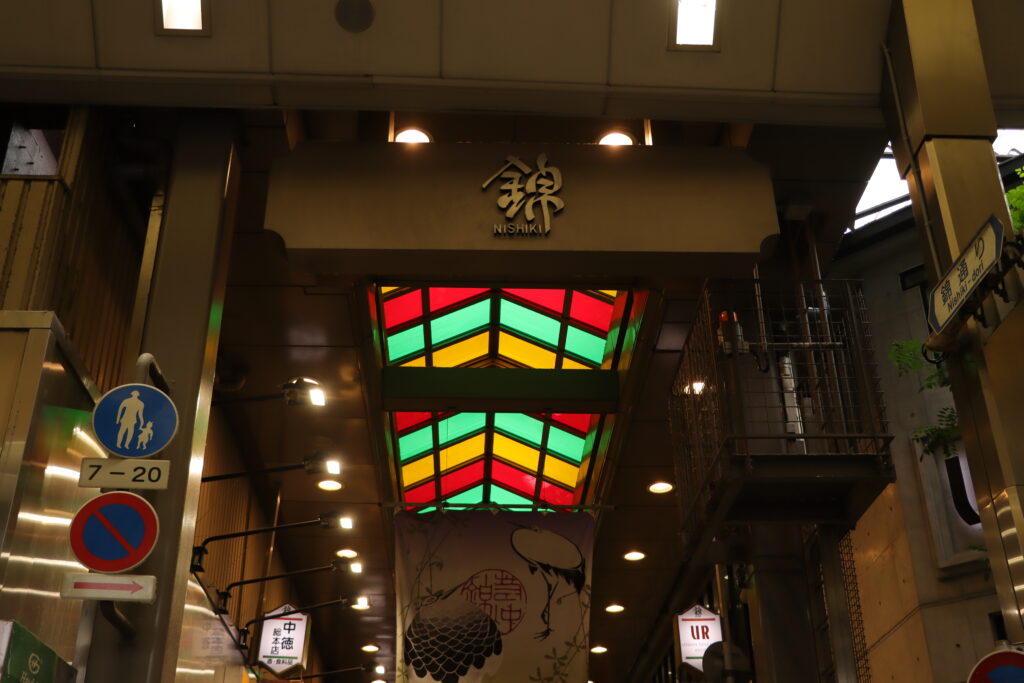
Walking west from Hankyu Kyoto Kawaramachi Station will lead you to Nishiki Food Market, which is parallel to the Shijo Boulevard. Though it’s a bit of a difficulty for first-timers to get there, I guess you can get there if you turn right at the landmark shopping arcade, named “Shinkyogoku Shopping Arcade.” If you are near the west end of Nishiki Food Market, the landmark would be the “Daimaru Department Store.”
Upon arriving at this place, you need to follow the rules and etiquette of this food market: you are not allowed to eat or drink anything while walking. All the meals must be finished inside the shops or restaurants. Also, you are not allowed to touch food items displayed at the front of a shop. These rules and etiquette are very important when you visit this place—when in Kyoto, do as the Kyotoites.
Anyway, here’s an explanation of the history of this food market. Even though it’s not an official record, the origin of this food market dates back to the Heian period (794-1185) when some form of market is believed to have already existed.
However, over time, the Edo shogunate officially permitted shops selling fish to organize their business here in Nishiki in 1615. And, this marked the beginning of Nishiki Food Market as an authentic fish market.
From a geographical point of view, Kyoto is a basin surrounded by mountains and has plenty of groundwater. The area encompassing Nishiki Food Market is also blessed with groundwater, which may have worked as a refrigerator in the past. The water temperature is kept at 15 degrees to 18 degrees all year round. Thus, you can easily imagine that this place has been a great place for the fish market to develop.
Even now, merchants draw water from the ground and use it, being charged no water fee at all. Another geographical aspect that gave this fish market an advantage over other fish markets was its proximity to the Kyoto Imperial Palace, which meant merchants sent fish easily to the palace.
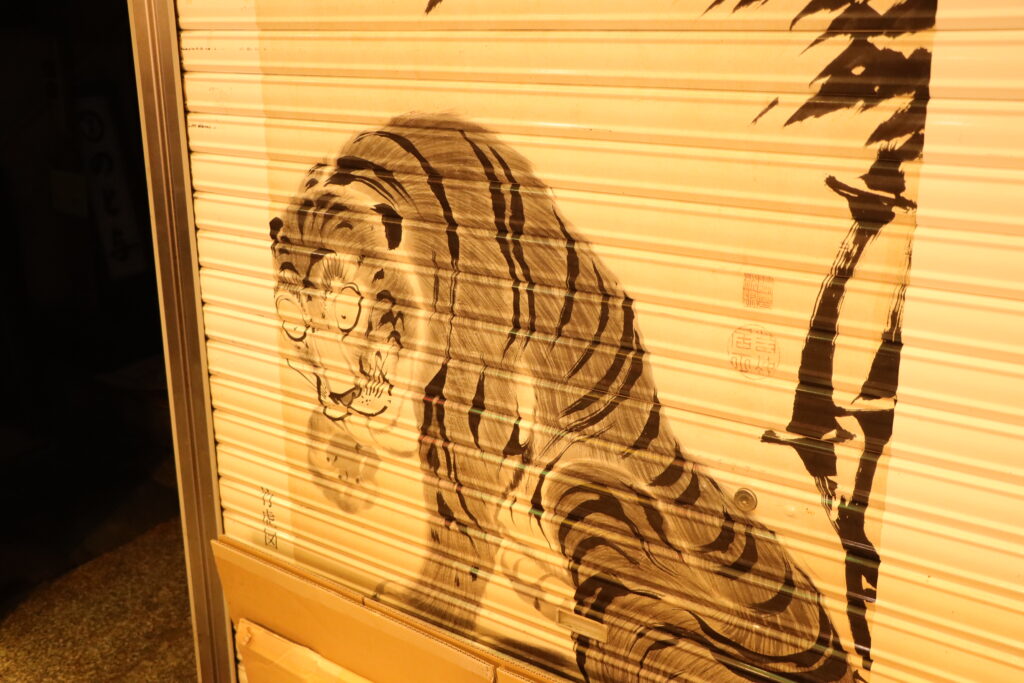
One of the interesting things worth noting here is that this food market was the birthplace of Ito Jakuchu, a very famous Japanese painter in the Edo period. He was born and raised in a greengrocer in this food market. When you look at the shutters of shops here, you can see his paintings printed on them.
A shop specializing in offering meat from Kyoto
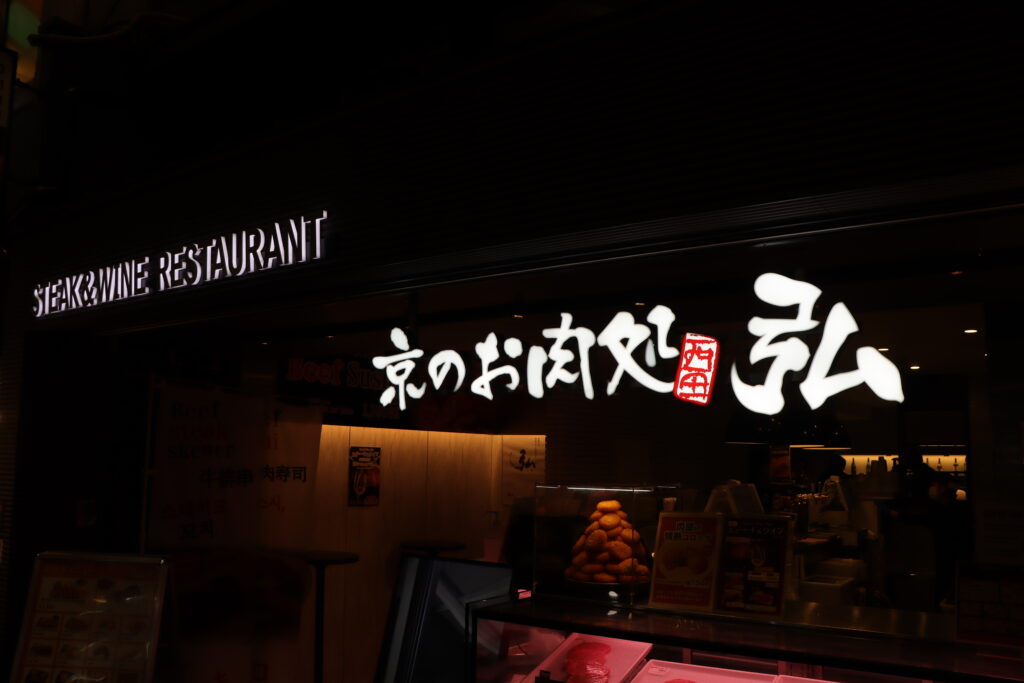
The first shop I recommend is “Hiro,” a shop specializing in offering meat from Kyoto, which is loved by local people. Minced meat cutlets and fried mashed potatoes containing beef are among the most famous here. The beef served here is from a cow purchased at a market specializing in meat. Since the whole cow is purchased by this shop, this shop can offer fresh meat at a reasonable price.
Speaking of meat, we Japanese love to eat organ meat such as beef’s tongue, outside skirt, liver, and intestine—the more you chew it, the richer the flavor will become. We used to throw away organ meat because we regarded such portions as something we should disregard. Japanese people say organ meat is “hormone,” which sounds exactly the same as the dialect in Osaka, “Horumon,” meaning something we should throw away, illustrating that we hadn’t eaten organ meat.
But, since 1920, one theory has held that eating such portions might increase the production of hormones, leading to an increase in the consumption of organ meat.
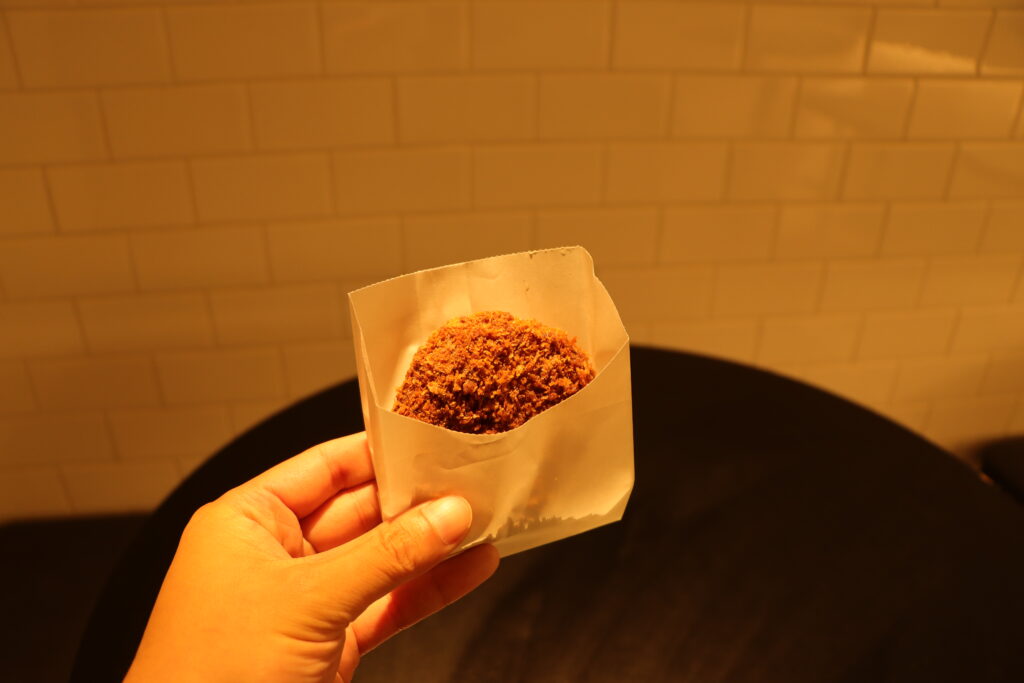
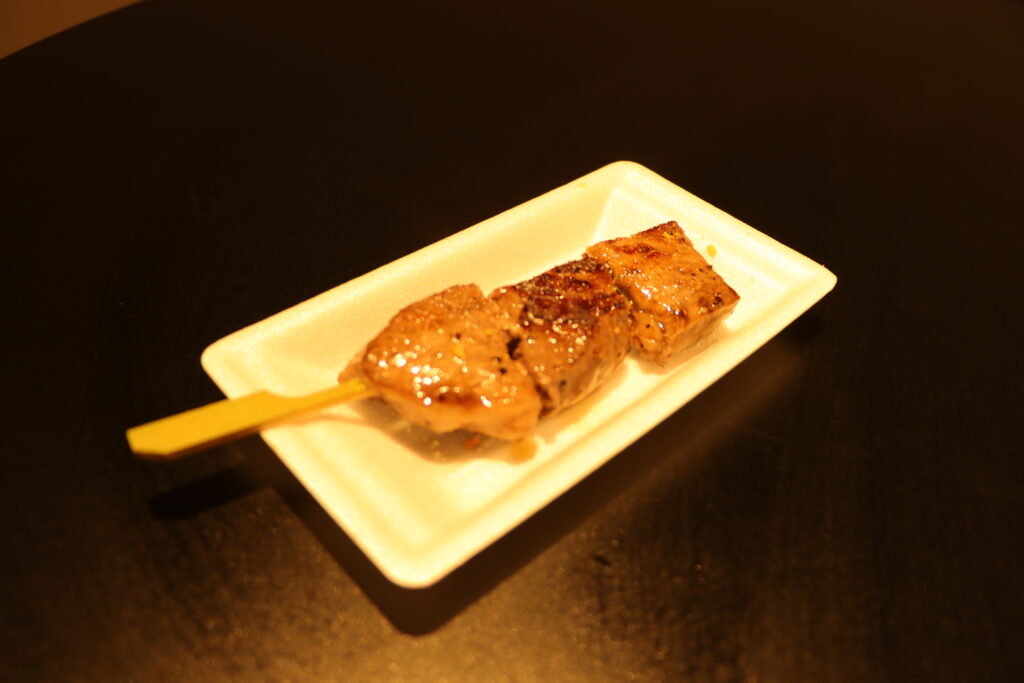
At this shop, I ordered minced meat cutlets and beef steak on a bamboo skewer.
The minced meat cutlet was so crispy outside and juicy inside, and was very reasonably priced; it was just 290 yen. The natural flavor originating from the meat satiates the palate. I bet you will get addicted to it once you have a bite.
These beef steaks cost 1,300 yen, but I think it’s still worth the price because it’s Wagyu, or Japanese beef. These steaks are served sprinkled with salt and pepper, so you can relish the beef’s flavor to the fullest.
A vibrant, old-fashioned area that may make you feel as if you were back in the 1980s.
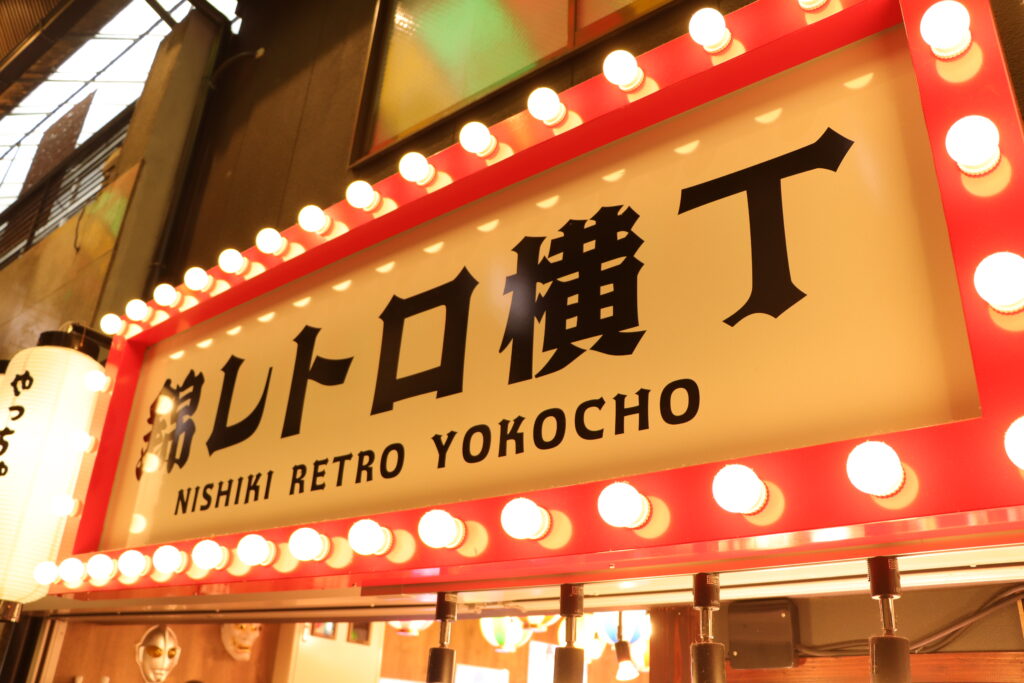
One of the more touristy spots in Nishiki Food Market includes “NISHIKI RETRO YOKOCHO,” where you can experience an old-fashioned cityscape, which is decorated with posters and unique animated character masks. I’d dare say if you feel inclined to drop in at a vibrant, old-fashioned spot, then this place would be the way to go.
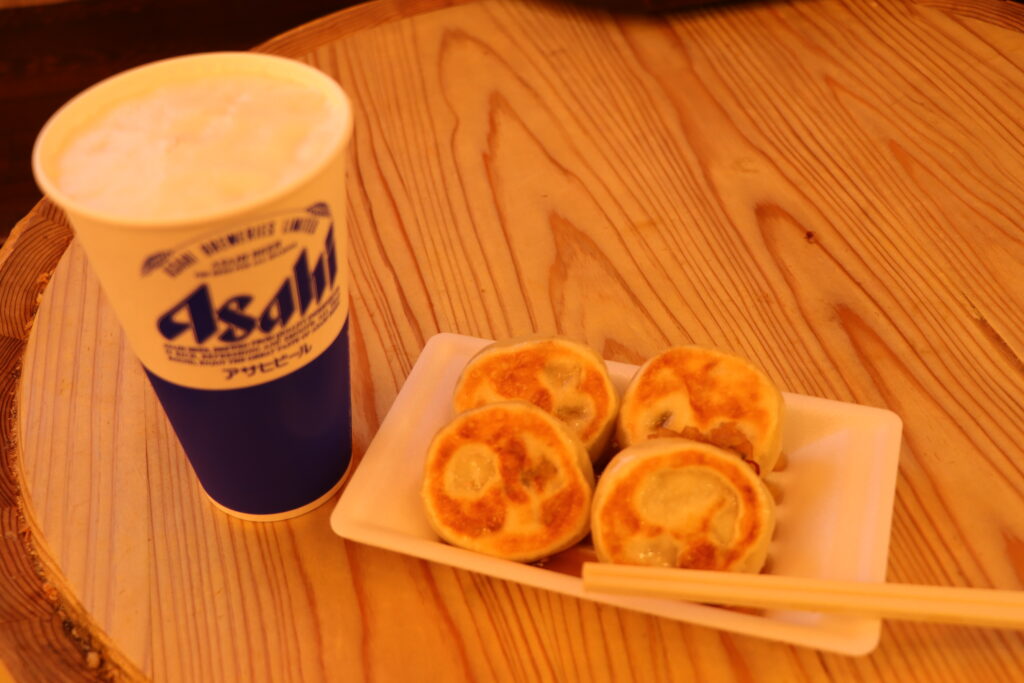
Here, I ordered circle gyoza; dumplings stuffed with pork and leek. I also ordered a beer. When you eat gyoza, no other alcoholic beverages are right up there with beer! Looking around the place while drinking and nibbling on your gyoza may feel as if you were able to turn back the hands of time, and you were back in the 1980s!
Honey is a real treat for you.
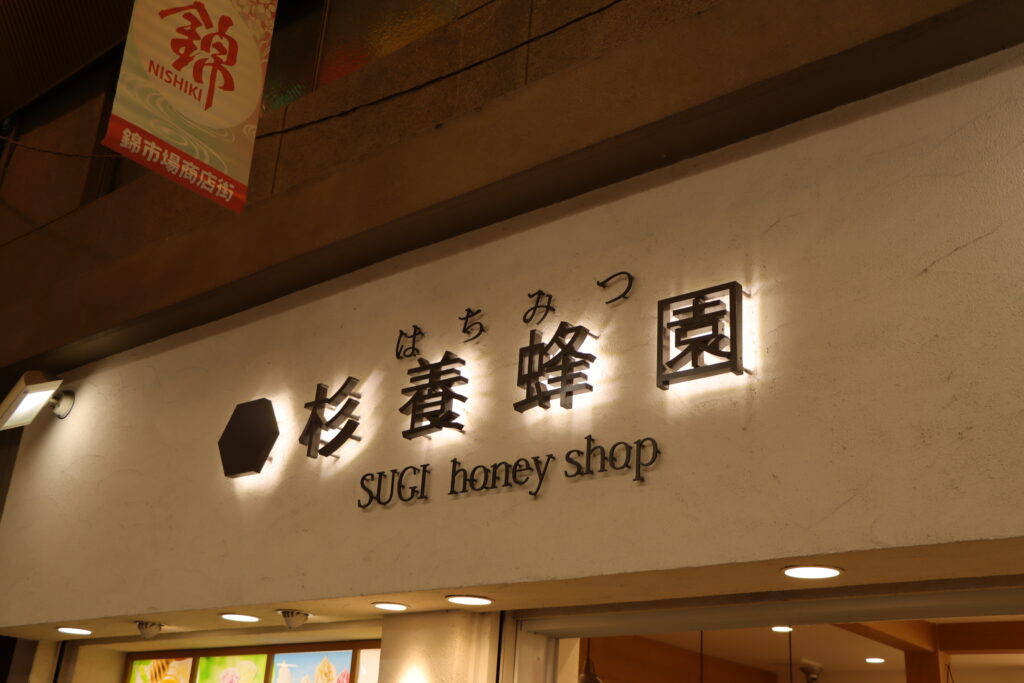
Here’s something you’d feel refreshed with. In the middle of Nishiki Food Market, the “SUGI honey shop” stands, boasting its process of making honey: they make honey from scratch in Kumamoto Prefecture and collect honey from all over Japan.
I bet you will be attracted to this shop because the shop’s design is so cool.
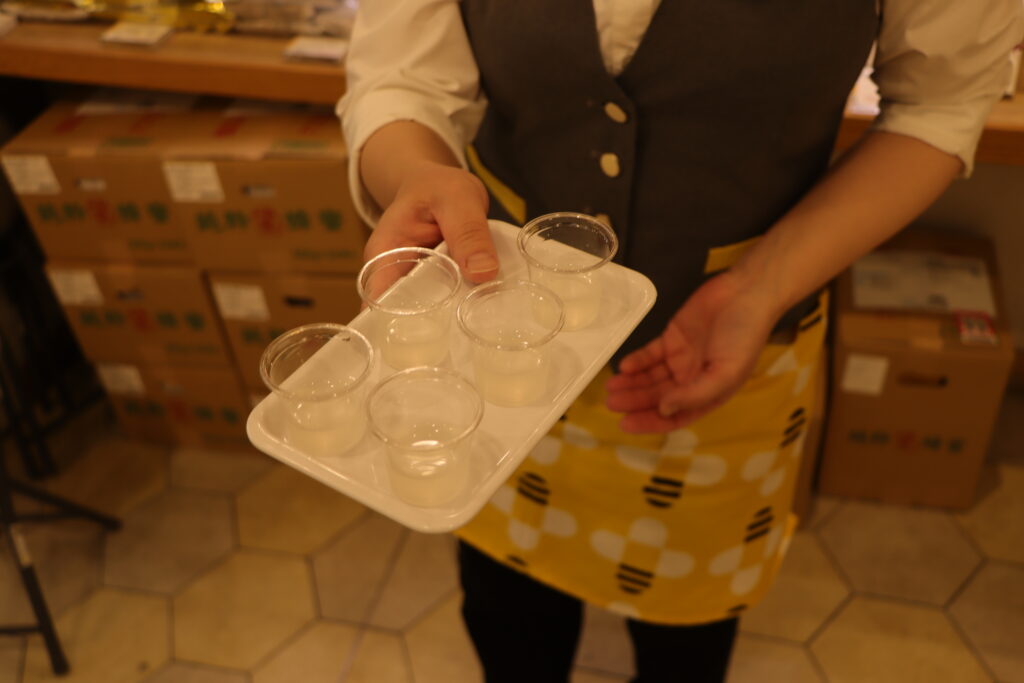
On entering this famous shop, a clerk never fails to give us samples of honey to taste. I think it’s a real treat for us because we are supposed to be baffled by lots of people on the narrow path. Drinking it would give you the energy to carry on, and you may be prompted to buy some honey or products derived from honey.
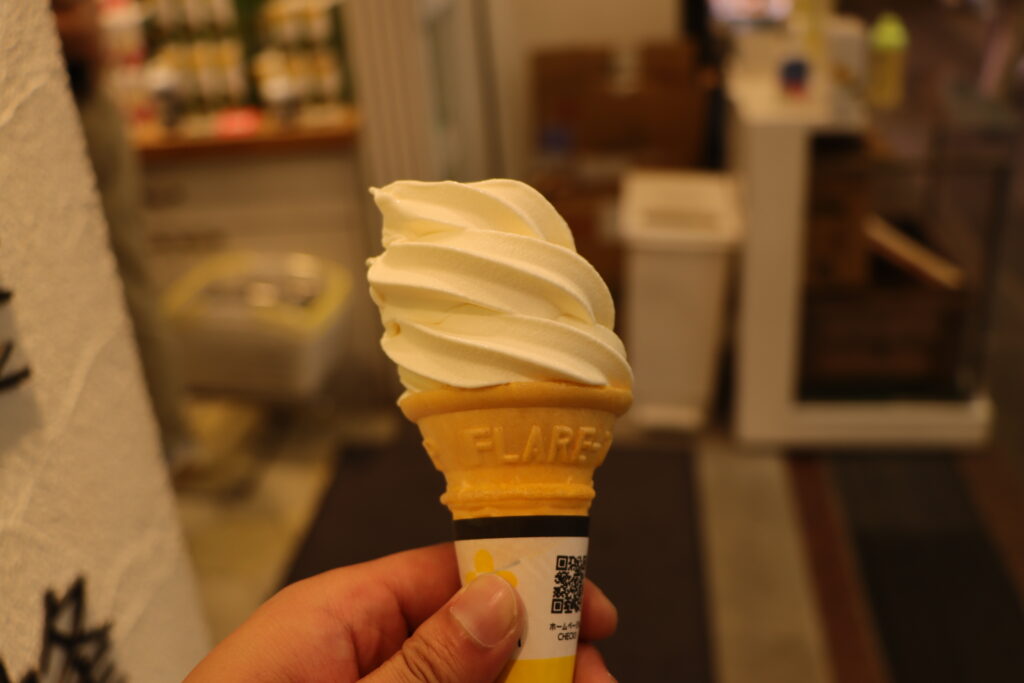
Here, I ordered a soft-serve ice cream. This ice cream has some honey inside, which blew my mind! The rich flavor is really out of this world—something you can relish only in this shop. The price is just 450 yen, which made me wonder how they can serve such splendid ice cream at such a reasonable price. Never before in all my life had I encountered such great ice cream. If I were the shop clerk, I would definitely set the price for this ice cream at over 1,000 yen.
A shop specializing in selling cooked fish
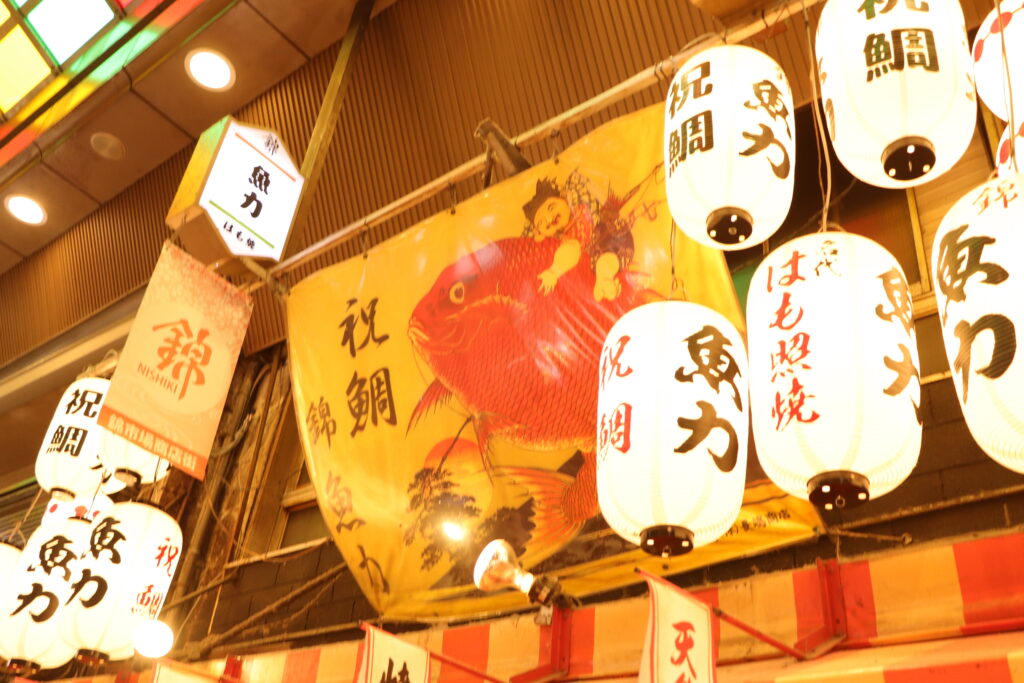
Here we are at “Uoriki,” a shop specializing in selling cooked fish. Deep-fried sea eel, which has a texture just like “Fish & Chips,” is among the most famous dishes here. Sea eel is considered one of Kyoto’s seasonal delicacies in summer. To fillet a sea eel, which has a lot of bones, chefs need to acquire a skill called “Honekiri” with which to offer delicious sea eel without bones. If you are lucky, you can watch a chef filleting a sea eel.
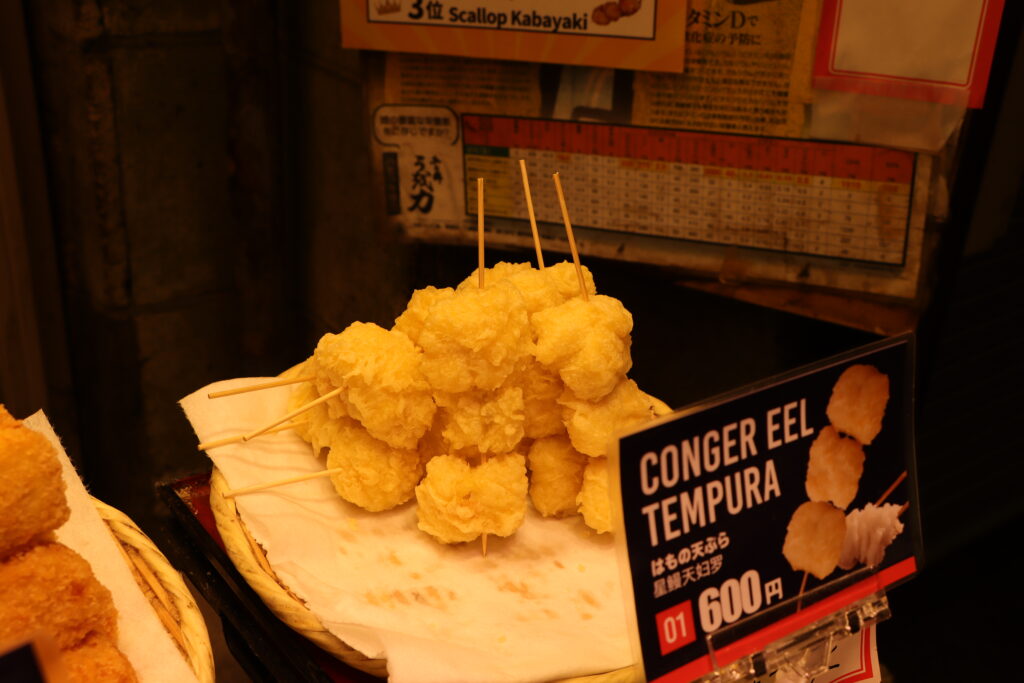
In the past, it took a lot of time and effort to convey seafood from Osaka Bay or the Akashi Strait to Kyoto, and during the transportation, many fish went bad. However, sea eels, which have a strong vital force, were able to be transported alive even in summer, making sea eels one of the favorite foods in Kyoto.
Enjoy the traditional home cooking of Kyoto
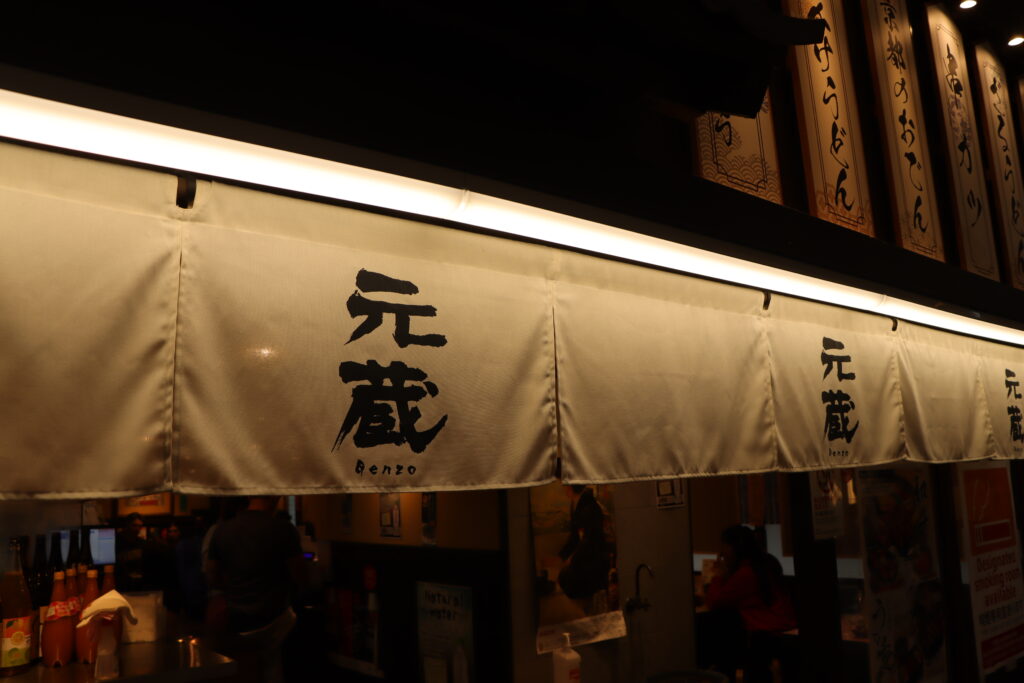
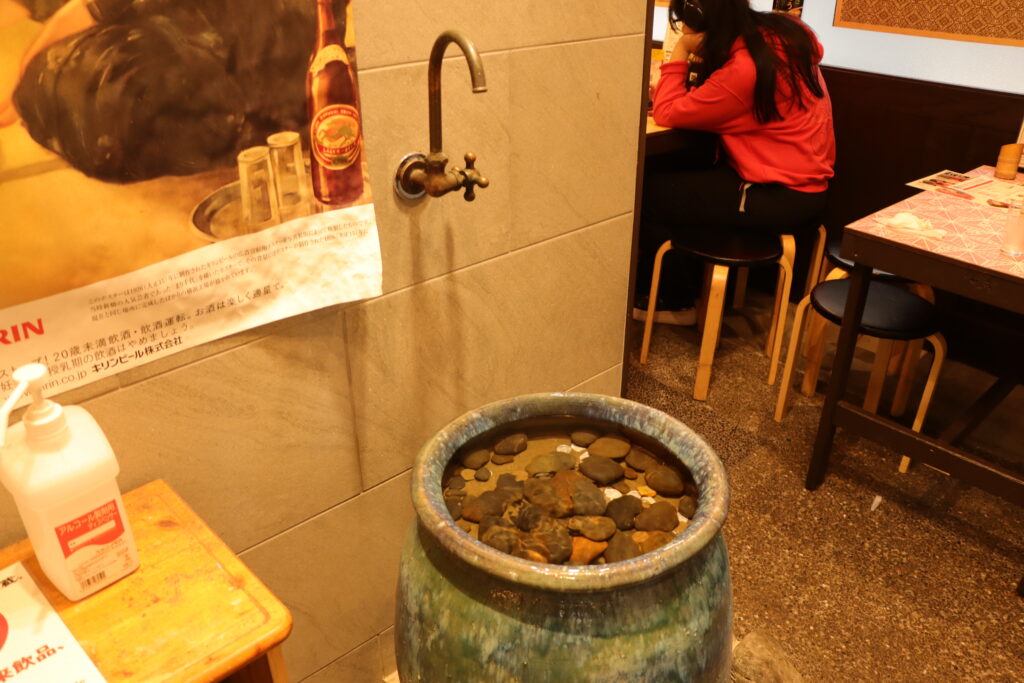
The next place visited was an Izakaya, or a Japanese-style tavern, which serves “Obanzai,” or traditional home cooking of Kyoto, as well as sake. On entering this restaurant named “Genzo,” you will see a big jar behind a pillar, which is used to draw water from the ground. So, the groundwater is conducive to cooking delicious dishes.
In a Japanese-style tavern, you can relish not only alcoholic beverages but also dishes unique to Japan. Japanese salaried workers tend to go for a drink with their colleagues after getting off from work, and this tavern is usually filled with lots of workers at night, who want to get drunk among colleagues, demonstrating a corporate culture unique to Japan.
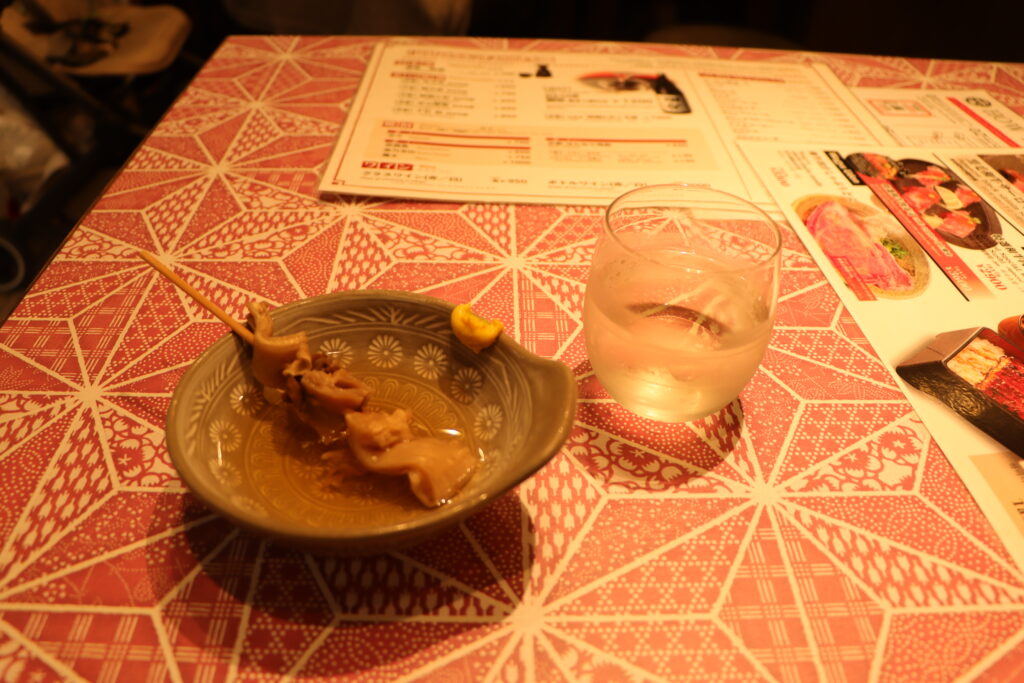
Here, I ordered sake brewed in Kyoto, named “Tamanohikari,” and stewed beef tendon, which is one of the popular ingredients for “Oden,” or a Japanese hotchpotch.
Once you have a bite at this beef tendon, the dashi flavor expands beautifully in your mouth. If you’d like to add some mustard, please go ahead. The Karashi mustard adds some special kick to it.
Needless to say, sake is the king of alcohol in Japan and goes well with anything you want to have. I presume the relationship between Oden, Japanese hotchpotch, and sake is like that of two old wartime friends, whose relationship will last until death
A shop specializing in “Tofu”
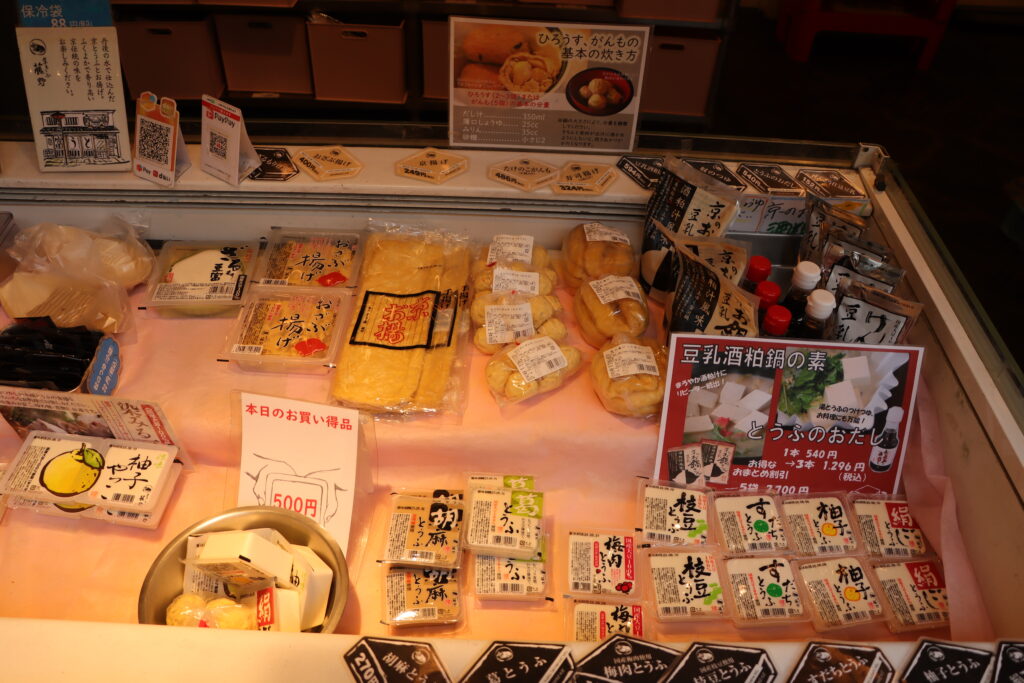
The last shop I recommend is “Konnamonja,” which is a shop specializing in “Tofu.” To make Tofu, lots of high-quality water is essential; the groundwater in Kyoto is classified as soft water, and the tofu tastes mild. Here is a brief explanation of how to make Tofu: Simmered soybeans are mashed, and then become soymilk. Next, the soymilk is hardened, using a coagulant such as bittern. Finally, the hardened soymilk is put in water, and it’s finished.
You might want to try Tofu skin, called “Yuba,” if you’d like something raw. Tofu skin is something like the surface of simmered soymilk.
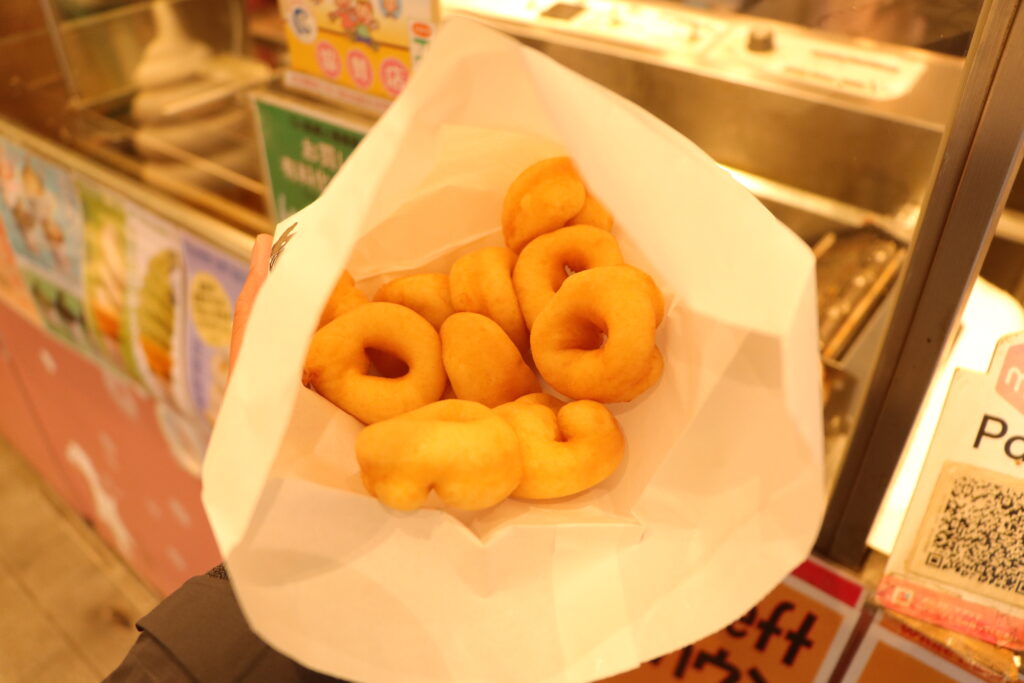
Here, I ordered doughnuts made from soymilk, which is the flagship product in this shop. Compared to normal doughnuts, these doughnuts are healthy, and I could keep eating them forever. The price is cheap; it’s just 400 yen for 8 pieces and 800 yen for 20 pieces. They are a must-have if you come to Nishiki Food Market, and I bet you will get into these doughnuts. Please try them!
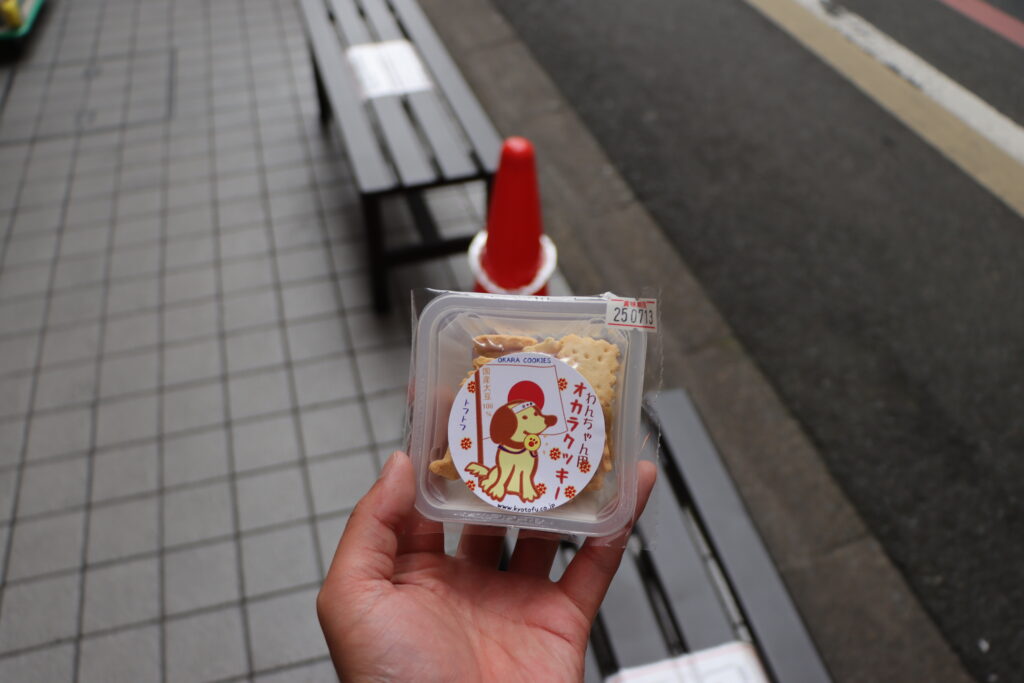
This shop also offers biscuits made from soybean refuse for pets. It would be a good souvenir for your beloved pets waiting for you. I have a Shiba dog, so I purchased a pack of biscuits for a dog. After getting back, I fed my dog the biscuits, and he was delighted!
Article in same category